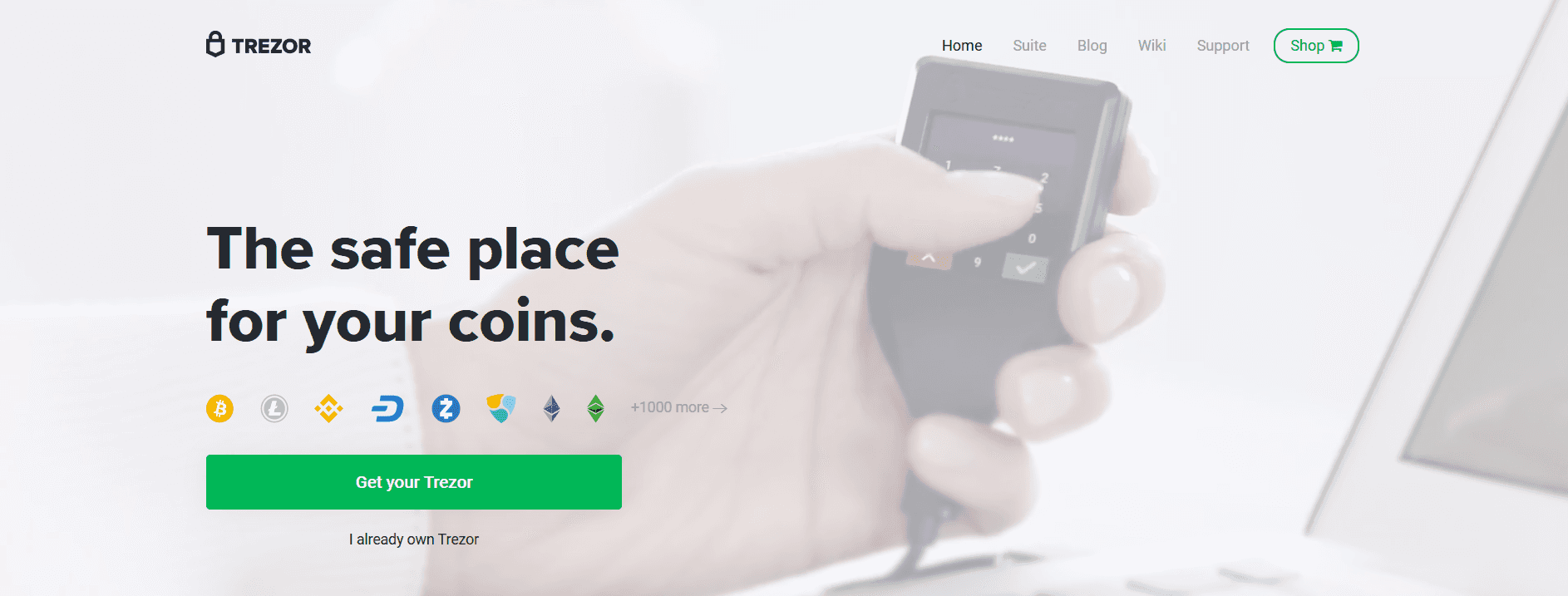
Trezor Login — A Complete Guide to Accessing Your Wallet
Introduction: Understanding Trezor Login
Trezor is a hardware wallet designed to secure cryptocurrency by keeping private keys offline. Unlike traditional online accounts, Trezor wallets do not use usernames and passwords. Access is hardware-based, relying on:
Trezor device PIN code
Trezor Bridge or Trezor Suite software
Recovery seed phrase (24-word or 12-word, depending on the model)
“Trezor login” refers to connecting your device to Trezor Suite or compatible web interfaces to manage cryptocurrency securely.
How Trezor Login Differs from Traditional Logins
Traditional logins require credentials stored on a server. Trezor is fundamentally different:
Private keys never leave the device.
PIN-based access protects the device from unauthorized use.
Recovery seed phrases allow wallet restoration without exposing keys online.
Trezor Suite or supported web wallets act as an interface to view balances, manage accounts, and sign transactions.
This ensures that Trezor login is local, hardware-based, and secure.
What You Need Before Logging In
Hardware Requirements
Trezor hardware wallet (Model One or T)
USB cable (or USB-C adapter for Trezor Model T)
Recovery seed phrase sheet for backup
Software Requirements
Trezor Suite app (desktop or mobile) or compatible web wallet (e.g., MyCrypto, Electrum for Bitcoin)
Internet connection to sync balances (transactions are signed locally)
Security Preparation
Private workspace free from observation
Avoid public Wi-Fi
Ensure your device firmware is up to date
Step 1: Install Trezor Suite
Trezor Suite is the official software for managing your wallet.
Visit trezor.io/start to download the latest version.
Install Trezor Suite for Windows, Mac, Linux, iOS, or Android.
Launch Trezor Suite and follow the setup instructions for your device.
Trezor Suite provides account management, transaction history, staking, and firmware updates.
Step 2: Connect Your Trezor Device
Plug your Trezor into your computer using the USB cable.
For Model T, USB-C is used; for Model One, USB-A.
Enter your PIN code on the device.
Trezor devices require PIN authentication to access the wallet, ensuring security even if the device is physically stolen.
Step 3: Access Accounts in Trezor Suite
Once connected and authenticated:
Open Trezor Suite and navigate to Accounts.
Select the cryptocurrency account you want to access.
Trezor Suite reads blockchain data to display balances and transaction history.
All signing operations occur on your device. Your private keys never leave the Trezor.
Step 4: Using the Recovery Seed Phrase
If your Trezor device is lost or damaged, your wallet can be restored using the recovery seed phrase:
Obtain a new Trezor device.
Select Recover Wallet during setup.
Enter your recovery seed phrase exactly as recorded.
Important: Never enter your recovery phrase on a computer, phone, or online site. Only use it on a Trezor device.
Step 5: Sending and Receiving Cryptocurrency
Receiving Cryptocurrency
Open Trezor Suite and select Receive.
Choose the cryptocurrency account.
Verify the receiving address on the Trezor device.
Share the verified address to receive funds.
Sending Cryptocurrency
Open Trezor Suite and select Send.
Enter recipient address and transaction amount.
Confirm the transaction on your Trezor device.
All operations are signed securely on the device, keeping private keys offline.
Step 6: Advanced Features After Login
After logging in, Trezor Suite provides additional functionality:
Staking: Earn rewards on supported blockchains.
Token Swaps: Swap cryptocurrencies securely without exposing keys online.
Portfolio Management: Monitor multiple assets in one interface.
NFT Management: View and interact with Ethereum-based NFTs.
These features enhance usability while maintaining hardware-level security.
Step 7: Security Best Practices for Trezor Login
Never share your PIN or recovery phrase.
Always verify addresses on the device screen before sending funds.
Use Trezor Suite or official apps only.
Disconnect the device when not in use.
Keep firmware updated for security patches.
Following these best practices keeps your wallet secure against phishing, malware, and physical theft.
Step 8: Troubleshooting Trezor Login Issues
Device not detected: Try a different USB port or cable.
Trezor Suite not syncing: Restart Suite and ensure it is updated.
Forgot PIN: Use your recovery seed to restore the wallet on a new device.
Firmware required: Update the firmware via Trezor Suite.
Bluetooth (if applicable): Ensure no other devices interfere with pairing.
Step 9: Common Mistakes to Avoid
MistakeRiskEntering recovery phrase onlineLoss of funds due to phishingUsing simple PINsEasy to guess or brute-force attacksDownloading Trezor Suite from unofficial sourcesMalware exposureSharing device with untrusted peopleUnauthorized transactionsSkipping firmware updatesVulnerability to exploits
Step 10: Advanced Tips for Power Users
Store recovery phrases in multiple secure, offline locations.
Use fireproof and waterproof storage for long-term security.
Monitor account activity regularly.
Use Trezor with multi-asset wallets for consolidated portfolio tracking.
Conclusion: Logging Into Trezor Is Safe and Hardware-Based
Trezor login is fundamentally different from traditional online logins:
Private keys remain offline and secure.
PIN authentication protects against unauthorized access.
Recovery phrases allow secure restoration.
Trezor Suite or compatible software provides a local interface to interact with the blockchain.
By following this guide, you can access your Trezor wallet safely, manage crypto, and protect your digital assets from phishing, hacks, or device loss.